A lot of businesses still treat their website like an online brochure. Something that:
- Looks nice
- Explains what they do
- Sits there quietly in the background
But the businesses growing fastest online? They’re treating their website very differently.
For them, the website isn’t just a site, it’s the engine behind:
And honestly? That’s exactly how it should be. Because in modern digital marketing, your website shouldn’t just exist. It should actively work for your business every single day.
the problem
many websites look fine...but don't actually do anything
We see this a lot. A business launches a new website and says “Looks great!” But a few months later:
- Traffic is flat
- Leads haven’t improved
- Bounce rates are high
- Nobody knows what pages people are using
- Marketing campaigns aren’t converting properly
The issue usually isn’t effort. It’s that the website was designed as a standalone project instead of part of a wider digital marketing strategy. A high-performing website should support:
- Organic SEO
- Paid campaigns (if you choose to)
- Content marketing
- User experience (UX)
- Brand positioning
- Conversion tracking
- Future growth
Without those foundations, marketing becomes harder, slower and more expensive.
your website should be at the centre
Most marketing activity eventually leads users back to your website. Someone:
- Finds you on Google
- Clicks a LinkedIn post
- Sees a PPC ad
- Watches a video
- Opens an email campaign
- Hears about you through word of mouth
Where do they end up? Your website you’d hope.
So if people are landing on your website, it’s important you want to capture the leads then and there. Which means if the website experience isn’t strong, the rest of the marketing struggles too.
That’s why strong website design and development isn’t just about aesthetics anymore (although that’ s still important of course) it’s mostly about performance.
seo is website infrastructure
One of the biggest misconceptions we still hear is “we’ll sort SEO later.”
Usually that becomes expensive and a much bigger job. SEO isn’t just blog writing (although they are still important and serve their purpose) SEO should shape:
- Site structure
- Navigation
- Page hierarchy
- Content strategy
- Internal linking
- Technical performance
Because if Google can’t properly understand your site, it won’t crawl or rank it, meaning your audience probably can’t either.
seo-led websites work
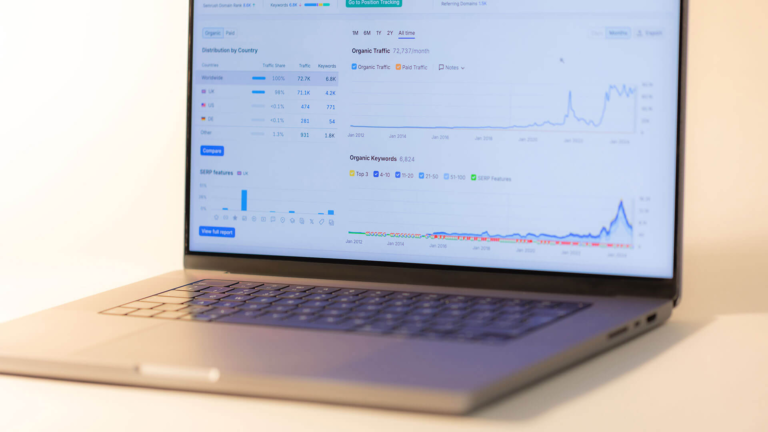
Through ongoing organic SEO work only, we have a client that has a retail shop, whose website is generating an average of:
52k+ organic visits per month.
This was just consistent organic SEO strategy, content improvements and website optimisation. That’s what happens when a website becomes a long-term growth tool instead of just an online placeholder.
websites need to be built for humans first
SEO matters, but people matter more. Even with the rise and intelligence of AI (which your website should be optimsed for) it needs to be optimsed for your potential customers, for people.
One of the biggest killers of website performance is poor user experience. Things like:
- Slow loading pages
- Cluttered layouts
- Confusing navigation
- Walls of text
- No clear calls-to-action
Users are impatient online. If they can’t quickly understand:
- What you do
- Why it matters
- What to do next
…they leave.
That’s where good UX design, content structure and clear messaging become incredibly important.
branding plays a big role
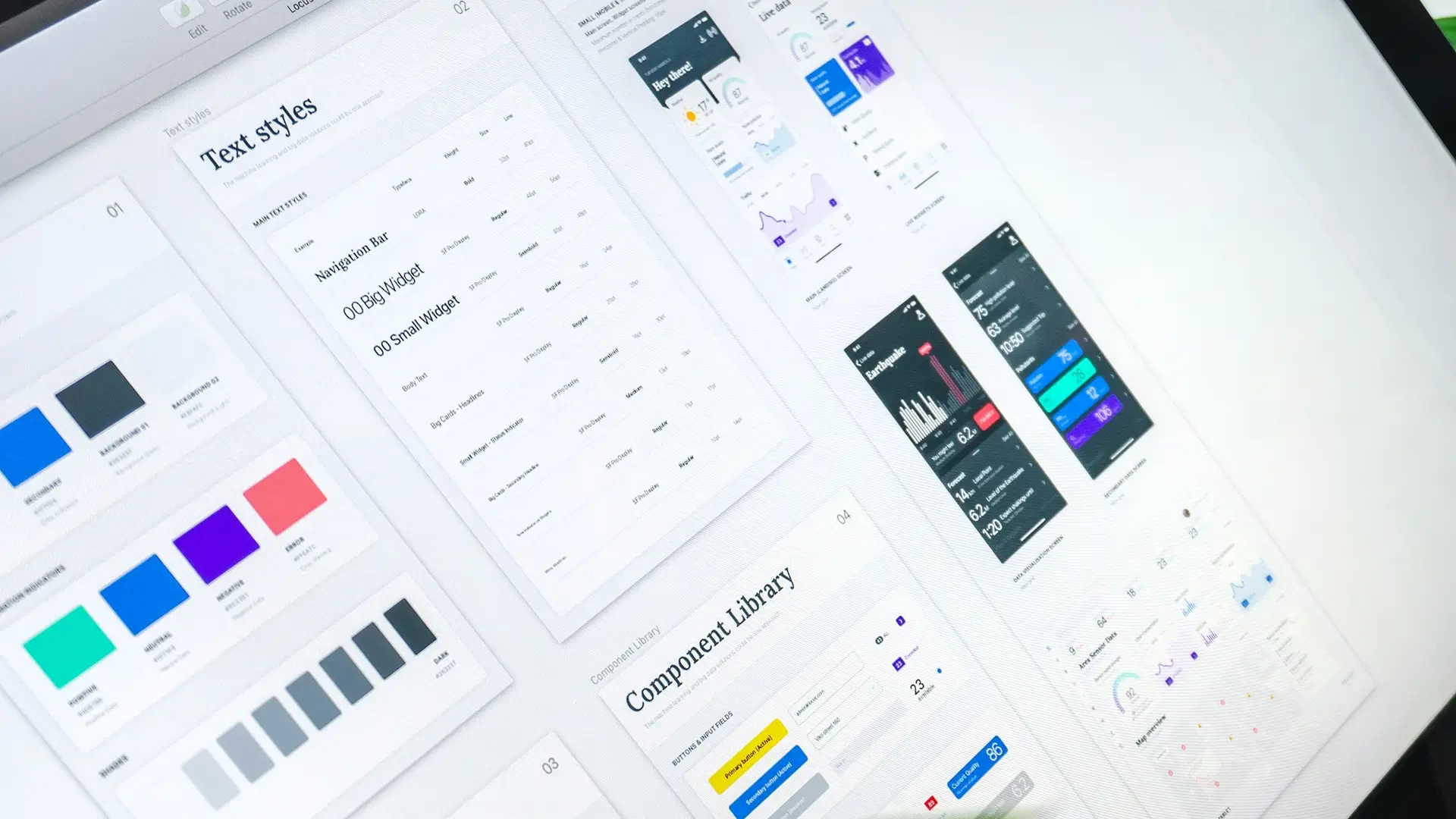
A website doesn’t just communicate information, it communicates confidence. Strong, and consistent, branding instantly affects how users perceive:
- Credibility
- Quality
- Trust
- Professionalism
We’ve seen this firsthand through projects like:
Where branding, digital design and website experience all worked together to create stronger, more professional online identities. Because branding isn’t decoration, it’s your business’s personality.
your website should support campaigns
not slow them down
A common frustration in marketing is running campaigns to a website that isn’t built to convert. You can have:
- Great ads
- Strong SEO
- Excellent social content
But if the landing experience is weak, results drop fast. That’s why modern websites need:
- Fast load speeds
- Mobile optimisation
- Conversion-focused layouts
- Clear journeys
- Strong calls-to-action
- Flexible landing pages
Marketing works best when the website and campaigns are working together, not fighting each other.
the best websites continue growing after launch
One of the biggest myths in web design is that when the website is built and finished, that’s that. In reality, launch day is usually just the beginning. The strongest websites evolve constantly through:
- SEO improvements
- Content updates
- UX refinements
- Performance analysis
- Conversion tracking
- Ongoing testing
- Tweaks and amends
Because digital marketing isn’t static anymore. User behaviour changes. Search engines change. Platforms change. So it means your website needs to evolve with it too.
data should drive decisions
(not guesswork)
One of the biggest differences between average websites and high-performing ones?
Data.
The best-performing websites track:
- User behaviour
- Conversion rates
- Traffic sources
- Landing page performance
- Drop-off points
This helps businesses understand what’s working, what isn’t, and where opportunities exist.
For example, after launching a new website for Business in Practice, we saw:
A 93% increase in website clicks within the first month.
And for Rudding Estate:
A 26% increase in search impressions within 28 days.
the businesses growing online have something in common...
They don’t see their website as a one-off project, a design exercise, or a tick-box task. They see it as a long-term business asset.
Something that:
- Generates visibility
- Supports campaigns
- Builds trust
- Drives leads
- Evolves with the business
That mindset shift changes everything.
so...is your website helping your marketing?
Or is your marketing constantly compensating for your website? Because there’s a huge difference. A strong website should:
- Make SEO easier
- Improve PPC performance
- Support social campaigns
- Increase conversions
- Strengthen branding
- Create smoother customer journeys
In other words, your website shouldn’t just sit there. It should power growth.
It’s all about sustainable digital growth, nothing happens overnight. And in a world where attention spans are short and competition is high, your website has never mattered more.
Frequently Asked Questions
1. Why is my website not generating leads?
A website may struggle to generate leads if it has poor SEO, unclear messaging, slow load speeds or weak calls-to-action. Your website should guide users towards taking action, not just provide information.
2. How does SEO help a website grow?
SEO helps your website appear in search engines when people are searching for your products or services. Strong SEO increases visibility, organic traffic and long-term lead generation.
3. What makes a website effective for digital marketing?
An effective marketing website is fast, mobile-friendly, easy to navigate and built with SEO, UX and conversion goals in mind. It should support campaigns, content and lead generation.
4. How often should a business update its website?
Websites should be reviewed and updated regularly. This includes content updates, SEO improvements, technical maintenance and performance optimisation to keep the site competitive and effective.