why CRO (conversion rate optimisation) is important
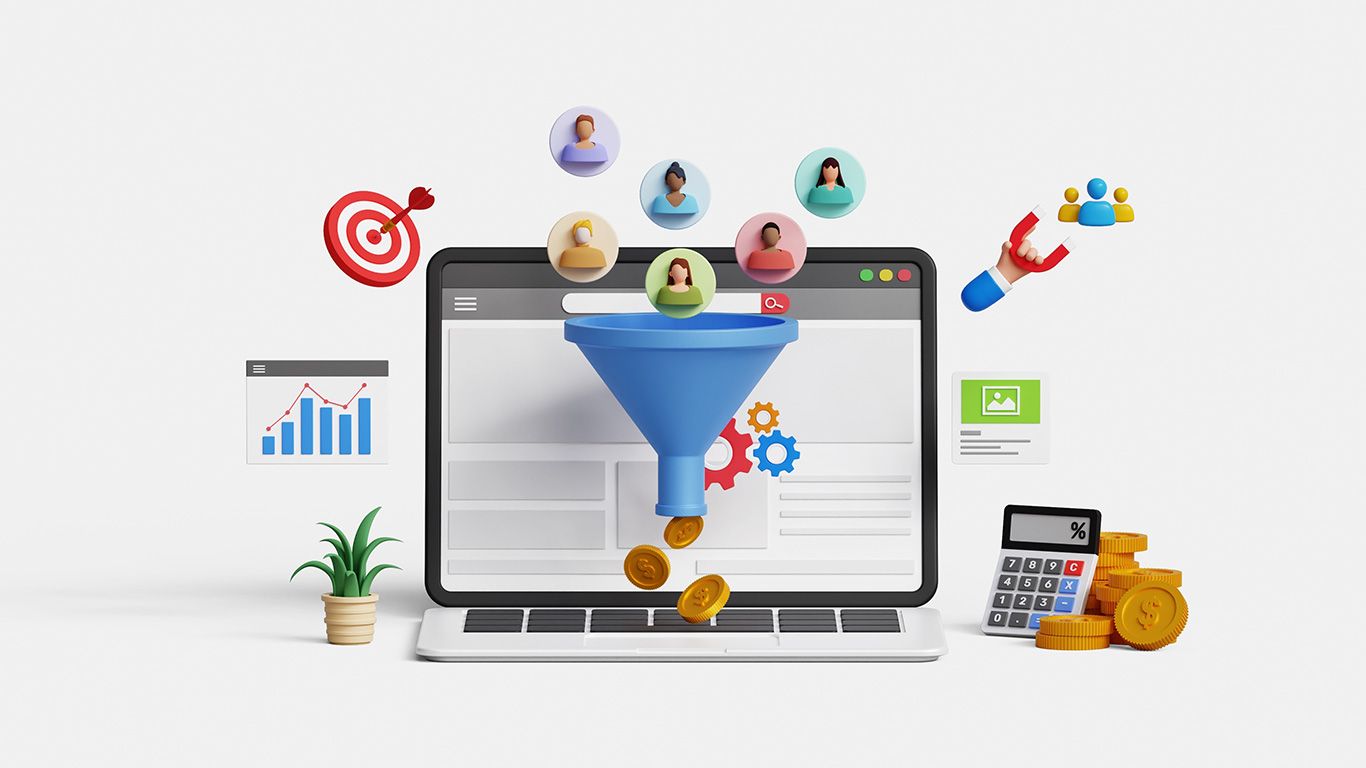
Conversion rate optimisation (CRO) is all about turning your website visitors into paying customers, subscribers, or leads. It involves analysing how users interact with your website, finding pain points, and making data-driven improvements to boost conversions. Why is it so important? Because even small tweaks can lead to big wins. By optimising your site, you’re maximising the value of your existing traffic, more leads, more sales, and better ROI.
Let’s get into it.
Your website is getting visitors (yay!), but instead of clicking that “Buy Now” or “Contact Us” button, they’re vanishing into the abyss. It’s frustrating. If you’ve been scratching your head wondering why those visitors aren’t turning into paying customers, you’re not alone.
1. is your website user friendly?
If visitors find your website confusing or clunky, they’ll bounce off. A clear, simple layout with intuitive navigation is key. Ask yourself:
- can users easily find what they’re looking for?
- is your website optimised for mobile devices?
- are your call to actions (CTAs) easy to spot and engaging?
2. are you speaking your customers' language?
If your messaging is vague, unclear, or too technical, visitors won’t stick around. Your content should be engaging, easy to understand, and laser-focused on your audience’s needs and addressing their pain points. Some things to think about:
- is your value proposition clear?
- are you addressing customer pain points?
- does your content highlight benefits, not just features?
If you need help with content creation and/or copywriting, we create SEO friendly, conversion driven content that speaks directly to your audience.
3. slow load times = lost customers
We all know how frustrating a slow loading website can be, and a slow website is a conversion killer. Research shows that even a one second delay can reduce conversions by 7%. If your pages crawl, users won’t wait around. Thinks to ask yourself with your site speed:
- think if your images are optimised for faster loading?
- do you have unnecessary code slowing things down?
Our web development team makes sure each website has fast loading times that keep users engaged and coming back for more.
4. are your CTAs working?
Your call to action is the bridge between “interested” and “customer.” If it’s too subtle, too generic, or buried on the page, you’re missing out. CTAs need to be persuasive and prominent.
- are your CTAs action oriented (e.g “get started” vs “submit”)?
- do they stand out visually?
- are they placed in high traffic areas?
- are they easy to get to with minimal clicks?
5. is your checkout process too long?
If your website is an e-commerce one, you want to avoid a complicated checkout process, this can be a big conversion killer. If users have to jump through too many hoops to complete a purchase, they’ll abandon their cart.
- are there too many steps to complete a transaction?
- do you offer guest checkout options?
- is your payment process seamless and secure?
If you need help with e-commerce, we streamline the checkout process to reduce friction and keep customers moving towards completing their purchase easily.
6. is your content engaging enough?
High quality content is key to keeping visitors interested and guiding them towards a conversion. If your content is outdated, dull, or lacks substance, users won’t be convinced to take action. You’re better having less content on your pages but it’s unique and specific to what you’re offering your customers, then too much content that requires viewers to scroll lots, get bored, and leave.
- does your site provide valuable and informative content?
- are blog posts, product descriptions, and landing pages optimised for SEO and engagement?
- are you updating content regularly to keep things fresh? (Google likes this)
7. are your images poor quality or stock images?
Visual appeal matters. Low quality, blurry, or irrelevant images can make your site look unprofessional and drive visitors away, and stock images can also affect your SEO performance. You want high quality images of your products, services, and team.
- are your images high resolution and professional?
- do they align with your brand and message?
- are product images detailed enough to help customers make a decision?
8. is your website messaging consistent?
If different pages on your site send mixed signals, visitors can get confused and lose trust in your brand.
- do your headlines, CTAs, and product descriptions align?
- is your branding and tone of voice consistent throughout?
- do all pages reinforce your core value proposition?
- do your headings, URL, and metadata match the page content?
At TIG we can help, we always make sure messaging and branding remains clear across your entire site.
9. are you building trust?
People won’t buy from a website they don’t trust. Social proof, clear policies, and professional design all help reassure potential customers. You want to make sure on your homepage (and other key pages) that you display trust indicators to put confidence in your customers. There are numerous types of trust indicators you can use, such as:
- do you showcase client testimonials and case studies?
- do you have any awards or certificates to display?
- how many years have you been in business?
- how many clients have you had/helped?
- is your contact information easy to find?
- are trust signals like secure payment icons visible?
ready to turn visitors into customers?
If your website isn’t performing the way it should, it’s time for a change. At TIG, we combine design, content, and SEO expertise to create websites that drive real results, and get you those conversions!
Get in touch today to discover how we can transform your digital presence and to get a free consultation.