Transforming your website from a headache to an asset can be a daunting task. Especially in today’s digital age where having a strong online presence is pretty important for the success of any business. Think of it like this, nowadays your business stays open 24 hours a day. And although this is great for business, there’s a lot that can go wrong (it is technology after all), this is why simply having a website isn’t enough, effective website management plays a crucial role in the success of your business. Read on to find out more.
Contents of this blog:
- What is website management?
- What are the elements of website management?
- The benefits of website management
- Where to start
what is website management?

There are various tasks that are involved in maintaining, and optimising (more on this later), a website that will meet the needs of its users and still achieve your business goals, whilst ensuring its effectiveness and efficiency. Some of the key tasks are:
- Strategic planning
- Website development
- Website maintenance
- Continuous improvement
elements of website management
- Technical maintenance
- Content management
- Design and user experience
- Search engine optimisation (seo)
- Security

technical maintenance
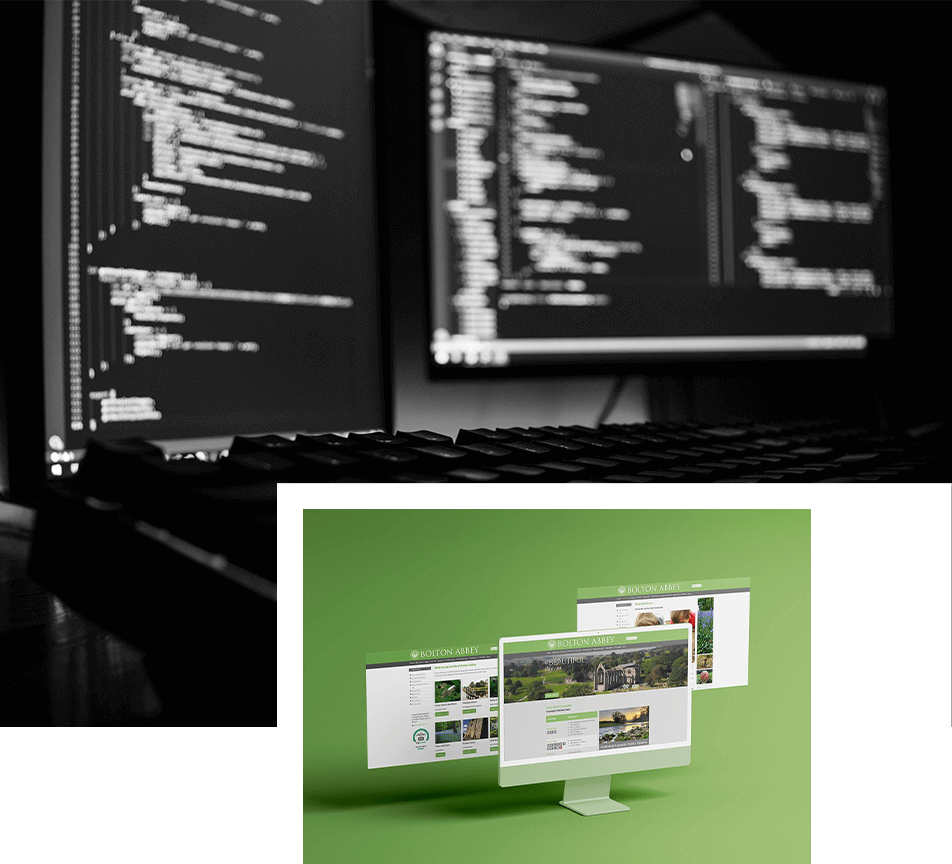
This includes tasks such as software updates, security patches, server management, and ensuring optimal website performance. Technical expertise is crucial to address any issues promptly and keep the website running smoothly.
content management
I’ve said this before in our “how web design transforms online success” blog, and i’ll say it again, content is king! Effective content management involves creating, updating and optimising website content to deliver valuable information to users. And not to mention, Google likes regular changing content, this will help improve your search engine visibility. Utilising content management systems (CMS), like WordPress, can help streamline this process.
design and user experience (UX)
This element allows a website to not only look appealing, but more importantly, be user-friendly. This makes the user’s journey more enjoyable, by creating a website that is easy to navigate, find information and take actions they want (CTAs). The website management in this element includes: making sure the design stays modern/up-to-date, responsive and also still aligns with your brand identity.
search engine optimisation (seo)
If you want to improve your website’s visibility and organic traffic, implementing SEO strategies plays a vital role. There are numerous ways to improve your SEO, but the common ones include: keyword research, on-page optimisation, link building and technical SEO. This is an ongoing element that needs frequent attention.
security
the benefits of effective website management
enhanced online presence
A well managed website increases brand visibility and therefore attracts more visitors and potential customers.

improved user experience
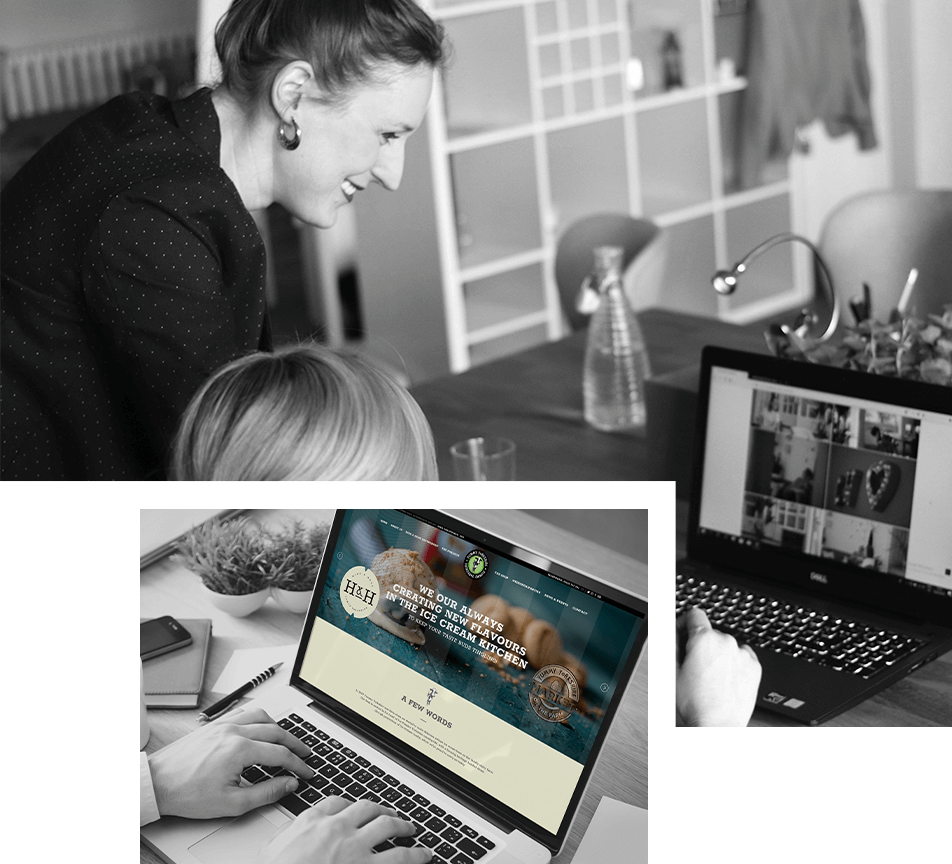
Regular updates and maintenance means your visitors have a seamless and enjoyable browsing experience, hopefully leading to high engagement and conversion rates.
higher search engine rankings
Optimised content, including the technical aspect, will also lead to improving your website’s visibility in search engines, such as Google, driving more organic traffic.
cost and time efficiency
Outsourcing website management services can save you time and resources, allowing you to focus on the core tasks of a business.
where to start with website management
Here at TIG we can help with your website management, we offer a free consultancy chat. The process is:
Step 1: ASSESSMENT
We will evaluate the current state of your website, we identify areas for improvement and determine, with you, what your goals and objectives are.
Step 2: CREATE A STRATEGY
Once we have established your goals, we will create a website management strategy that outlines tasks, responsibilities, timelines and any other resources that may be required to achieve this.
Step 3: IMPLEMENTATION
Now we will execute the strategy, addressing any technical issues, updating and optimising design and content, whilst monitoring and analysing performance metrics.
Step 4: CONTINUOUS IMPROVEMENT
We will then regularly monitor and analyse your website performance, user feedback, and industry trends to make appropriate decisions and adapt the website management strategy accordingly.

get in touch
By investing in website management, you can enhance your online presence and be seen more. If you would like to discuss your website, or get a better understanding of website management, you can get in contact today for a chat.
Contact us today for more information.