In today’s digital world, your website is often the first impression someone has of your business. And while many websites look perfectly fine, they’re quietly losing customers every single day. Poor performance, outdated layouts, confusing UX, no trust indicators, and weak branding can all lead to lower conversions…even if you’re getting decent traffic.
If you’re wondering whether your website is helping or hurting your business, here are seven red flags to look out for.
sign 1: slow load time and mobile issues
If your website takes more than a few seconds to load, users leave and rarely come back. Slow site speed, outdated code, and pages that don’t load properly on mobile devices are among the biggest reasons for poor performance.
The average loading speed is 5 seconds, so if you’re over that, it’s harming your SEO, and potential to gain more traffic. There are various things that can contribute to your website loading slowly that needs attention, a few contributing factors are:
- DOM size
- HTML compressions
- Site loading speed
- JS execution time
- CDN usage
- Modern image format
- Image metadata
- Image cashing
- JavaScript caching
- CSS minification
Inconsistent browsing on different devices also damages trust and reduces conversions. This is where working with a professional website development agency in Yorkshire can make a huge difference, making sure your site is fast, responsive, and built to modern standards.
Google has a mobile first indexing rule, which means Google’s web crawler prioritises indexing the mobile version of a website’s content over its desktop counterpart. Which informs rankings. So, if your website is not optimised on mobile, you’re definitely missing out on potential traffic and better rankings in search.
sign 2: confusing navigation and poor user experience (UX)
If visitors can’t find what they’re looking for, they’ll move on to a competitor. We’ve all done it. Cluttered menus, too many pages, or unclear category structures all harm the user experience. If you’re an e-commerce business you certainly want your UX and navigation to be as simple and well structured as possible. The rule of thumb is 3 clicks, you want your consumers to get to where they (and you) want to be, in 3 clicks or less.
Strong UX design guides visitors smoothly through the site, making every step intuitive, from the homepage to the contact page. If your website feels confusing or overwhelming, a website redesign handled by experts can help streamline your structure and improve usability instantly.
For the most part, the key to having a good and well structured UX design are:
- Usability
- Functionality
- Attractiveness
- Searchability
- Accessibility
- Credibility
sign 3: weak branding and visual inconsistency
A visually inconsistent website can send the wrong message about your business. Inconsistent colours, mismatched fonts and imagery, or outdated design elements make your brand look unprofessional and inconsistent. And as mentioned in our previous blogs in business and marketing, consistency is key.
Your website should strengthen your brand identity, not dilute it. If your visuals don’t reflect who you are, it may be time to re-think and work with a creative website design agency to bring back, or create, your brand identity, design, and website layout together seamlessly.
sign 4: no clear call to action or conversion path
A website can look stunning but still fail if users don’t know what to do next. Missing or unclear calls to action (CTAs), such as “Contact Us”, “Get a Quote”, or “Buy Now”, lead to potential lost clicks/sales.
Strong CTAs and a clear user journey guide customers towards the actions that matter. You want them to be persuasive and provide a good offer, or something they need. For example:
- “Get a free consultation today”
- “Get your free quote”
- “Get 50% off before offer ends”
- “Register your email today. Promise we won’t spam”
sign 5: your content isn't optimised for SEO
Even the most beautiful website won’t perform well if search engines can’t understand it. Poorly written content, missing keywords, lack of metadata, and thin pages all hurt your organic visibility.
Data shows that around 80% of consumers online skim read, so you need to make sure your content is easy to read and understand. Using bullet points and short paragraphs help to make points easy. Not only are use of bullet points good for consumers, but search engines like it also. You want your content to be unique to you and targeting your target audiences pain points but offering your solutions and USP (unique selling points).
An SEO-friendly website includes structured content, targeted keyword research, and strategic optimisation throughout. SEO marketing services means your site is built with visibility in mind, helping you attract more potential customers through search engines.
sign 6: lack of analytics and continuous
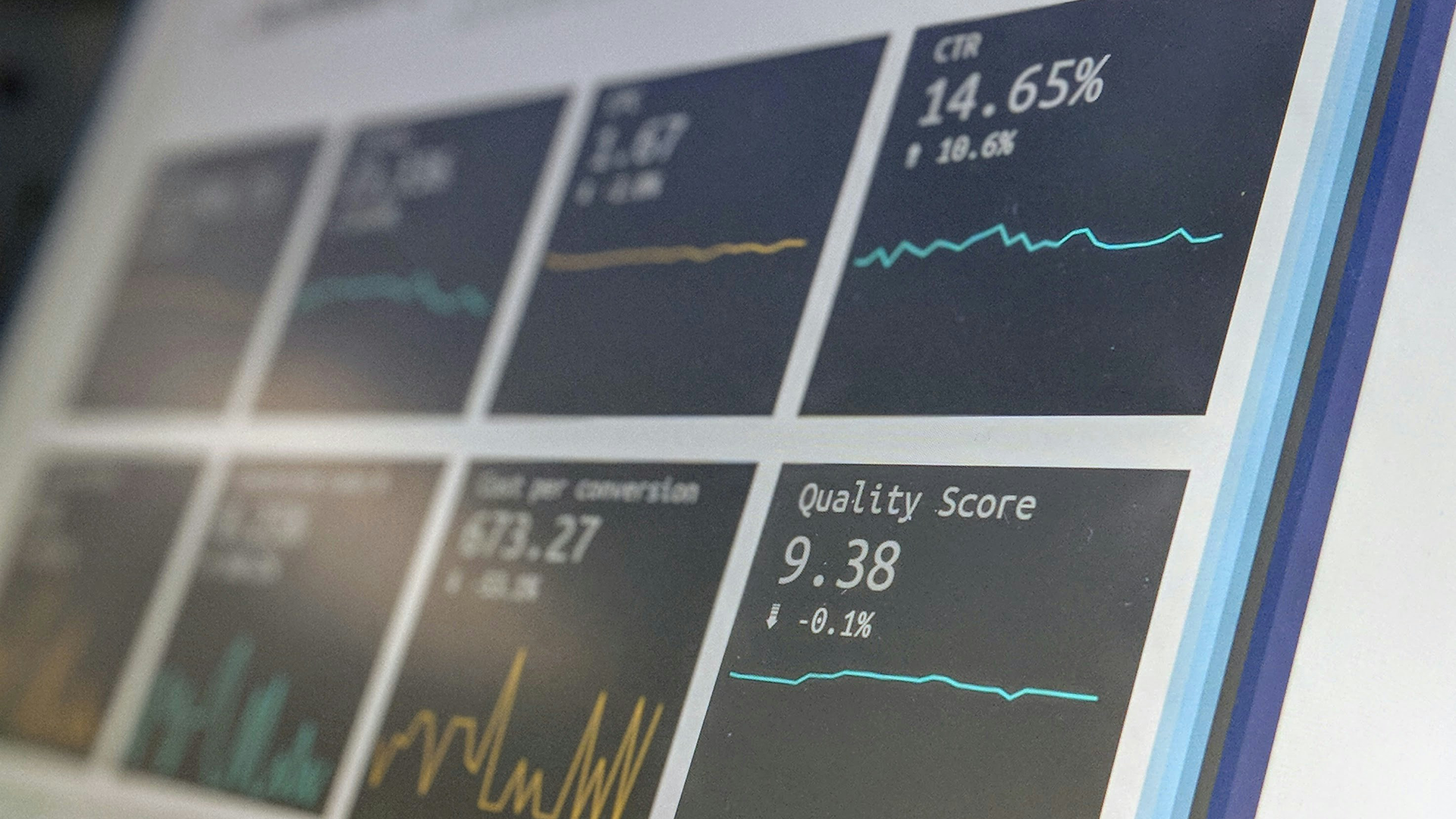
You’ve had a new website built, great. Now you can leave it be. Wrong. Websites aren’t “set and forget.” If you’re not tracking performance using tools like Google Analytics or Search Console, you’re missing essential data about what works, and what doesn’t.
Once you’ve looked into your data and seen what is working, you can go big on that and optimsie and use that opportunity more. Something isn’t working, tweak, change and amend. Or even get rid.
Analytics reveal user behaviour, popular pages, bounce rates, and conversion bottlenecks. Some other tools allow you to analyse your competitors and see what keywords they are using, what is working for them that you can try. You don’t need to reinvent the wheel with new ideas.
Without this insight, your website design choices are guesswork. Working with a professional digital marketing agency can help ensure your site is monitored, updated, and optimised regularly.
sign 7: your website isn't integrated with other marketing channels
Your website should work hand-in-hand with your other marketing efforts and channels. From social media and email campaigns to PPC advertising and branding.
If these channels aren’t aligned, you lose out on traffic, conversions, and brand awareness. TIG integrates website design with all marketing disciplines, including:
A fully integrated approach means your website supports your wider marketing strategy and drives results. Just think, if your competitors are on social media and you’re not, you’re missing out on potential customers.
how to fix your website issues
If you’ve recognised even one of the signs above, it may be time to refresh or rebuild your website. A smart new build, or website redesign, focuses on:
- Improving UX design and navigation
- Updating visuals to create a strong and consistent brand identity
- Enhancing performance and mobile responsiveness
- Optimising content for search engines
- Strengthening CTAs and conversion paths
- Ensuring analytics and tracking are in place
- Integrating your website with your wider marketing strategy
At TIG, we specialise in website design Yorkshire businesses rely on, combining creative design, technical expertise, branding, and SEO to create websites that don’t just look great, but perform. Take a look at some of our work.
If you know where to start we offer free consultations, or if you’re not sure where to start, we can have a chat about what you’d like and do a website audit.